


-

Add: HeBei ShengShi HongBang Cellulose Technology CO.,LTD.
-

Email
13180486930@163.com -

CONTACT US
+86 13180486930

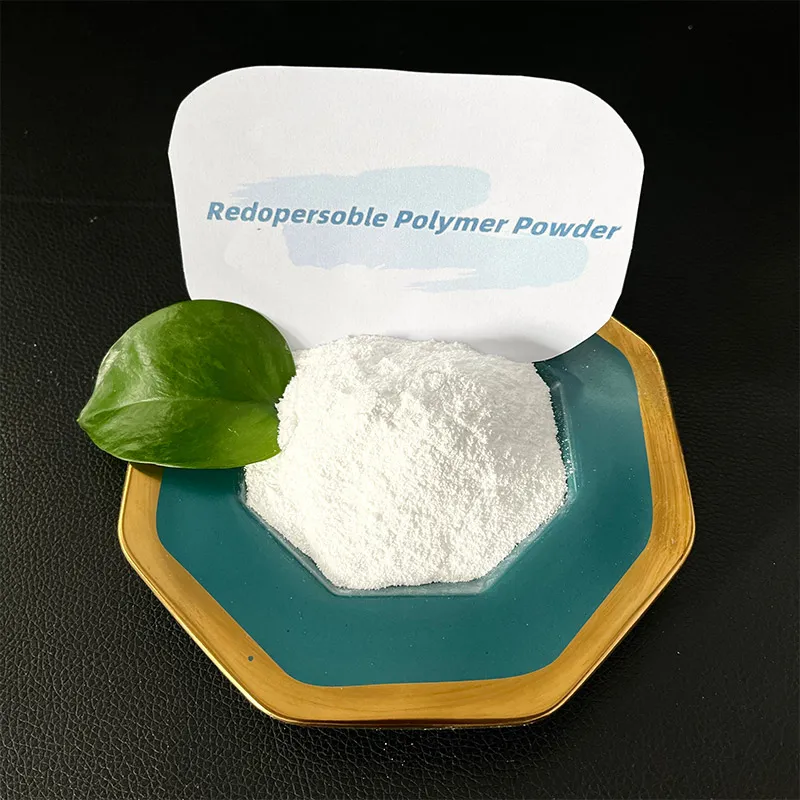


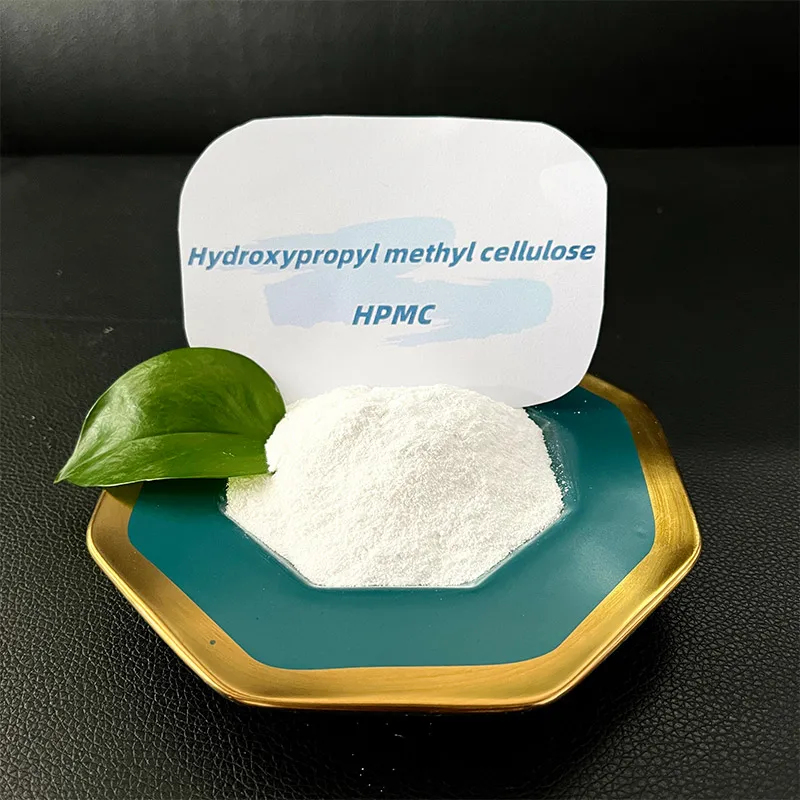
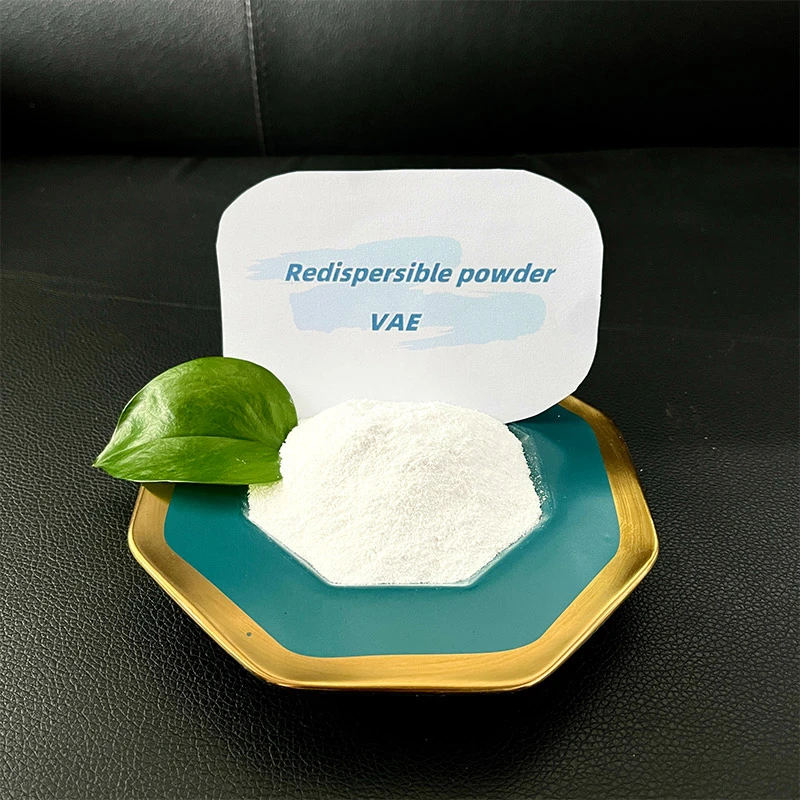


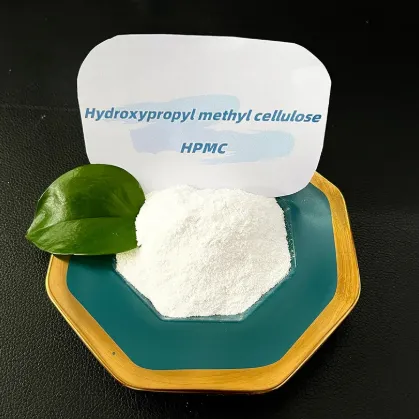
Hydroxypropyl Methylcellulose (HPMC) E5 is a versatile and essential ingredient in various industries, prized for its unique properties that enhance product formulation. As a low viscosity grade of HPMC, E5 offers a distinct set of characteristics highly valued by manufacturers. This article delves into the crucial attributes of HPMC E5, leveraging insights from industry experts and real-world applications to offer a comprehensive understanding of its benefits and usage. One of the standout features of HPMC E5 is its film-forming ability. This property is integral in the pharmaceutical industry, where HPMC E5 is commonly used as a coating agent for tablets. Its ability to form a uniform, adherent, and stable film ensures the protection of active ingredients, enhances shelf life, and improves the aesthetic appeal of tablets. The expertise of formulation scientists highlights that the use of HPMC E5 in coatings improves the swallowability and taste masking of oral dosage forms, making it a preferred choice among pharmaceutical developers. In the realm of construction, HPMC E5 serves as an essential additive in cement-based materials. Its water retention capability prevents premature drying and assures optimal curing, leading to increased strength and durability of the final product. Construction professionals underline that the inclusion of HPMC E5 in mortar formulations results in enhanced workability and open time. This facilitates easier application and adjustment of tiles or other construction components, minimizing waste and improving finish quality. The adhesive industry also benefits from the unique properties of HPMC E5 . The compound's thickening and rheology modification abilities enable the production of adhesives with superior stability and consistency. As experts in adhesive chemistry attest, HPMC E5 improves the bonding capacity and mechanical strength of adhesives, providing reliable performance across different substrates and environmental conditions. This versatility makes it an indispensable ingredient in formulating both household and industrial adhesives. hpmc e5 properties Personal care products, such as shampoos and creams, often incorporate HPMC E5 due to its excellent emulsification and stabilization properties. Cosmetologists and personal care formulators value HPMC E5 for its ability to maintain the integrity and homogeneity of creams and lotions. Its non-ionic nature ensures compatibility with various active ingredients, allowing for innovative formulations that cater to diverse consumer needs. Furthermore, HPMC E5’s gentle nature and lack of irritancy make it suitable for sensitive skin products, thus broadening its applicability in the cosmetics industry. From an expert perspective, the adaptability of HPMC E5 across different formulations and industries underscores its significance. Its non-ionic and cellulose-based nature ensures environmental compatibility and safe usage, aligning with the growing consumer demand for sustainable and eco-friendly products. Manufacturers leveraging HPMC E5 can assure their clientele of high-quality, reliable, and effective products, bolstering trust and authority in their respective markets. Trustworthiness in utilizing HPMC E5 is reinforced by thorough testing and compliance with regulatory standards, which are critical for product safety and efficacy. Collaboration with experienced formulation scientists and adherence to stringent quality control measures guarantees that products incorporating HPMC E5 deliver consistent and dependable performance. In conclusion, HPMC E5 stands out due to its unique properties that serve a wide array of applications, ranging from pharmaceuticals and construction to adhesives and personal care products. Its esteemed position is further corroborated by industry expertise and practical experience, which collectively affirm its role as a high-value ingredient. By integrating HPMC E5, manufacturers not only optimize product performance but also ensure an authoritative and trusted presence in their sectors.
- 40000tons

Production
- 20+years

Experience
- 5000+㎡

Acreage

-
The Emergence of Wood Pulp Fiber A Sustainable Alternative In recent years, the pursuit of sustainable materials has gained significant momentum, leading to innovative solutions in various industries, from textiles to construction. One such innovation is wood pulp fiber, a versatile material derived from the decomposition of wood into its fibrous components. As societies become increasingly aware of the environmental impacts of conventional materials, wood pulp fiber stands out as an eco-friendly alternative that offers numerous benefits. Understanding Wood Pulp Fiber Wood pulp fiber is primarily extracted through the pulping process, where wood logs are processed to separate cellulose fibers from lignin and hemicellulose. This process creates a raw material that can be transformed into a range of products, including paper, textiles, and biodegradable plastics. The most common types of wood used for pulp are softwoods such as pine and fir, which are favored for their long cellulose fibers that contribute to strength and flexibility. Environmental Benefits One of the most compelling advantages of wood pulp fiber is its sustainability. As it originates from trees, a renewable resource, the lifecycle of wood pulp products can be much shorter compared to synthetic fibers like polyester, which are derived from petroleum. Furthermore, responsibly sourced wood pulp contributes to forest health by promoting sustainable forestry practices that ensure trees are replanted, preserving biodiversity, and maintaining carbon sequestration. The Emergence of Wood Pulp Fiber A Sustainable Alternative Versatility Across Industries fibra hecha de pulpa de madera The versatility of wood pulp fiber makes it an attractive alternative for various applications. In the textile industry, wood pulp can be converted into lyocell or modal fabrics, which are not only soft and breathable but also produced in a closed-loop process that significantly reduces water pollution compared to conventional cotton production. These fabrics are gaining popularity in fashion due to their comfort, environmental credentials, and stylish finish. In the packaging sector, wood pulp fiber is paving the way for biodegradable packaging solutions. As consumers demand more sustainable packaging options, wood pulp provides a solution that can help reduce the environmental footprint of e-commerce, food delivery, and retail packaging. Challenges and Future Outlook Despite its numerous advantages, the adoption of wood pulp fiber is not without challenges. The availability of sustainably sourced wood can sometimes limit production, and the technology for processing wood into fiber continues to evolve. However, as awareness and demand for sustainable materials rise, investment in research and development is likely to accelerate, opening new avenues for efficient production methods and innovative uses for wood pulp fiber. Moreover, as regulatory frameworks continue to support sustainable practices and combat climate change, wood pulp fiber stands on the brink of becoming a mainstream material in various industries. Companies are recognizing the importance of aligning their supply chains with sustainability goals, making wood pulp fiber an attractive option that meets consumer demand for eco-friendly products. Conclusion Wood pulp fiber represents a promising shift towards sustainability, offering an environmentally friendly alternative to traditional materials across diverse industries. Its biodegradable nature, coupled with the potential for sustainable production, positions it as a key player in the movement towards a greener future. As both consumers and manufacturers increasingly prioritize sustainability, wood pulp fiber could very well become a staple in our daily lives, supporting a healthier planet for generations to come.
-
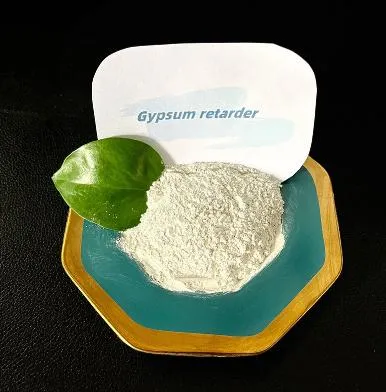
Extra time plaster additives have revolutionized the construction and renovation industry, providing a solution that allows builders and DIY enthusiasts to manage their time more efficiently without compromising on the quality of the work. This product is especially beneficial in environments where the curing time of plaster can be a challenge due to environmental factors or large-scale projects demanding a gradual pace. Understanding the mechanics of extra time plaster additives requires delving into their composition and functionality. These additives are specially formulated compounds that slow down the setting process of plaster, an indispensable trait when it comes to detailed work or complex projects. Typically, they are made from a blend of retarding agents and other ingredients that finely calibrate the setting time without degrading the plaster's structural integrity or finish quality. Experience with extra time plaster additives highlights their unparalleled utility in scenarios where timing is critical. Professional builders who undertake extended wall plastering or intricate ceiling designs frequently cite the controlled setting time as a key advantage. This feature ensures that the finishing touches can be applied meticulously, improving the overall aesthetic without the stress of the plaster hardening prematurely. Furthermore, amateur DIY enthusiasts find these additives incredibly user-friendly, as they provide the flexibility to amend or smooth over any inconsistencies in the application. From an expertise perspective, using extra time plaster additive demands a solid understanding of how to balance the additive's proportion to the volume of plaster mix. Success lies in meticulous measurement. A common guideline is to follow the manufacturer's specifications, accounting for variables like ambient temperature and humidity, which can also affect the setting time. Experienced plasterers often perform small test batches to perfect the ratio and ensure a seamless outcome that aligns with their project's demands. Authority in discussing extra time plaster additives is bolstered by the widespread adoption and endorsement from leading construction experts and organizations familiar with their significant benefits. The Construction Industry Congress repeatedly emphasizes the efficacy of these additives in minimizing plaster waste, reducing costs associated with rushed or defective work, and ensuring environmental compatibility through fewer material discards. extra time plaster additive Trustworthiness in this domain is built on transparent communication between the manufacturers and users, ensuring clarity about the components and safety of these products. Leading brands that offer extra time plaster additives invest heavily in research and development, followed by rigorous testing to validate their additives comply with industry regulations and safety standards. This ensures users can trust the product to deliver consistent, reliable results. Another aspect highlighting the significance of extra time plaster additive is its contribution to sustainable building strategies, a crucial factor in modern construction. By allowing more precise application processes and reducing material wastage, these additives align with green building practices. Some brands have introduced eco-friendly versions that further curtail the environmental impact, making them a preferred choice for environmentally-conscious projects. Moreover, user testimonials and case studies underscore the real-world benefits of these additives . One particular case describes a large corporation undertaking a massive renovation of a multi-story building where the use of extra time plaster additives was pivotal in maintaining a fair balance between efficient project completion and achieving exquisite finishes. The extension of workable time allowed for a staggered workforce and reduced manpower fatigue, ultimately enhancing the living quality of the residents without the pressure of hasty plastering. In sum, extra time plaster additives are a critical innovation in the construction industry. They provide much-needed flexibility and control over the plaster setting process, empowering both professionals and hobbyists to achieve high-quality finishes. Their integration into construction projects symbolizes not just a tool for practical advantage but also a commitment to sustainable, efficient building practices. As the industry continues to evolve, these additives will undoubtedly remain at the forefront of construction solutions.
advantages
-

200000 Viscosities
Excellent product
We can produce pure products up to 200,000 viscosities
-

40000 tons
High yield
We don’t stop production all year round, and the annual output can reach 40,000 tons
-

24 hours
Quality service
We provide 24-hours online reception service, welcome to consult at any time
———— Inquiry Form
Schedule A services


-
 pp_carbon_fiber
Oct . 25, 2025
Powder rubber, an increasingly popular material in various industries, offers a myriad of applicatio - hpmc_buy
Oct . 25, 2025
When we think of wood, we often focus on its structural properties, such as strength and durability. -
 mga_tagagawa_ng_redispersible_polymer_powder
Oct . 25, 2025
Rubber powder, a groundbreaking material revolutionizing various industries, offers unparalleled ben


